
WebView vs. Native App – Which Is Better for Your Business?
It's the ultimate showdown in mobile development. We break down the pros and cons of WebView and Native apps to help you make the right choice.
Native Apps are built specifically for an operating system (like iOS or Android) using platform-specific programming languages (Swift/Objective-C for iOS, Kotlin/Java for Android). They offer the best performance and access to all device features.
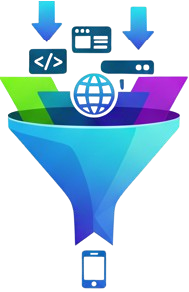
WebView Apps (like those created by ConverticoApp) are essentially native "shells" that contain a dedicated browser component (a WebView) which displays your existing website content. They bridge the gap between the web and mobile devices.
Why Choose a WebView App?
- Speed to Market: Launch in days, not months. Perfect for getting your idea out fast.
- Cost-Effective: A fraction of the cost of native development, saving you thousands.
- Single Codebase: Update your website, and your app updates automatically. No separate app maintenance.
- Cross-Platform Consistency: Your user experience is consistent across web and mobile.
When is a Native App Better?
- High-Performance Games: For graphically intensive games, native performance is crucial.
- Heavy Device Integration: If your app needs complex, constant access to device hardware (like accelerometers or Bluetooth).
- Offline-First Operations: For apps that must perform complex tasks entirely offline.
- Large Budgets & Long Timelines: If you have significant funding and months or years to dedicate to development.
The Verdict: Start with a WebView App
For over 90% of businesses, a WebView app is the smartest, fastest, and most affordable way to establish a mobile presence. It allows you to reach your audience on the Play Store, send push notifications, and grow your business without the massive overhead of native development.